
Koeksister vs Koesister: What’s the Difference?
One Little “K”, Two South African Love Stories
By Cape Town Culinary Tours · 17 November 2026 · 5 min read
Cape Town Culinary Tours explores the city's food, culture and history through guided culinary experiences.
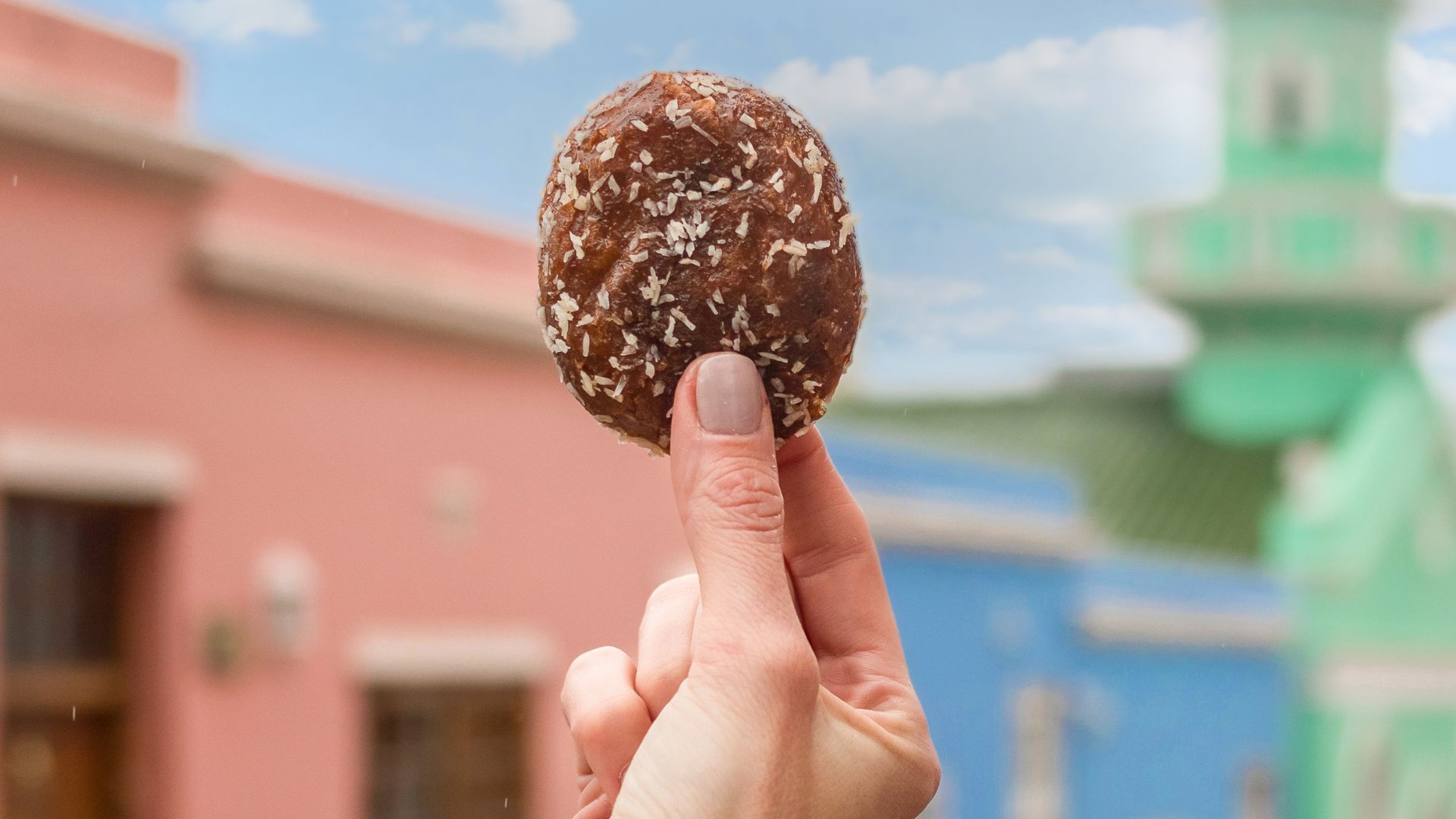
In this article
- What is the difference between a koeksister and a koesister?
- The koeksister: a plait with a place in South African life
- The koesister: spice, coconut and Sunday mornings
- A sweet bite with a complicated history
- But why the almost-identical names?
- How to enjoy them on your Cape Town visit
- Where to try koesisters and koeksisters in Cape Town
- Come hungry for the stories, too
A koeksister is a plaited, syrup-soaked sweet with a crisp exterior, associated with Afrikaner baking. A koesister is a soft, spiced Cape Malay doughnut, dipped in syrup and coated in coconut. Their similar names hide distinct textures, flavours and traditions.
Put a koeksister and a koesister next to each other and you might wonder how they ended up with almost the same name.
One is a golden plait, glossy with syrup and ready to make a gloriously sticky mess of your fingers. The other is a soft, fragrant bundle wearing a coat of coconut.
They look different. They feel different. And when you take a bite, that little extra “k” suddenly seems to be doing rather a lot of work.
For anyone discovering Cape Town through its food, these two sweets are a delicious place to start. Behind the sugar are stories about language, family, identity and the complicated history of South Africa.
First, though, you’ll want to know which one you’re ordering.
What is the difference between a koeksister and a koesister?
| Feature | Koeksister | Koesister |
|---|---|---|
| Shape | Plaited or twisted | Rounded or oblong |
| Texture | Firmer, crisp exterior | Soft and fluffy |
| Flavour | Intensely syrupy | Sweet and warmly spiced |
| Finish | Syrup-glazed | Coconut-coated |
| Associated tradition | Afrikaner baking | Cape Malay cooking |
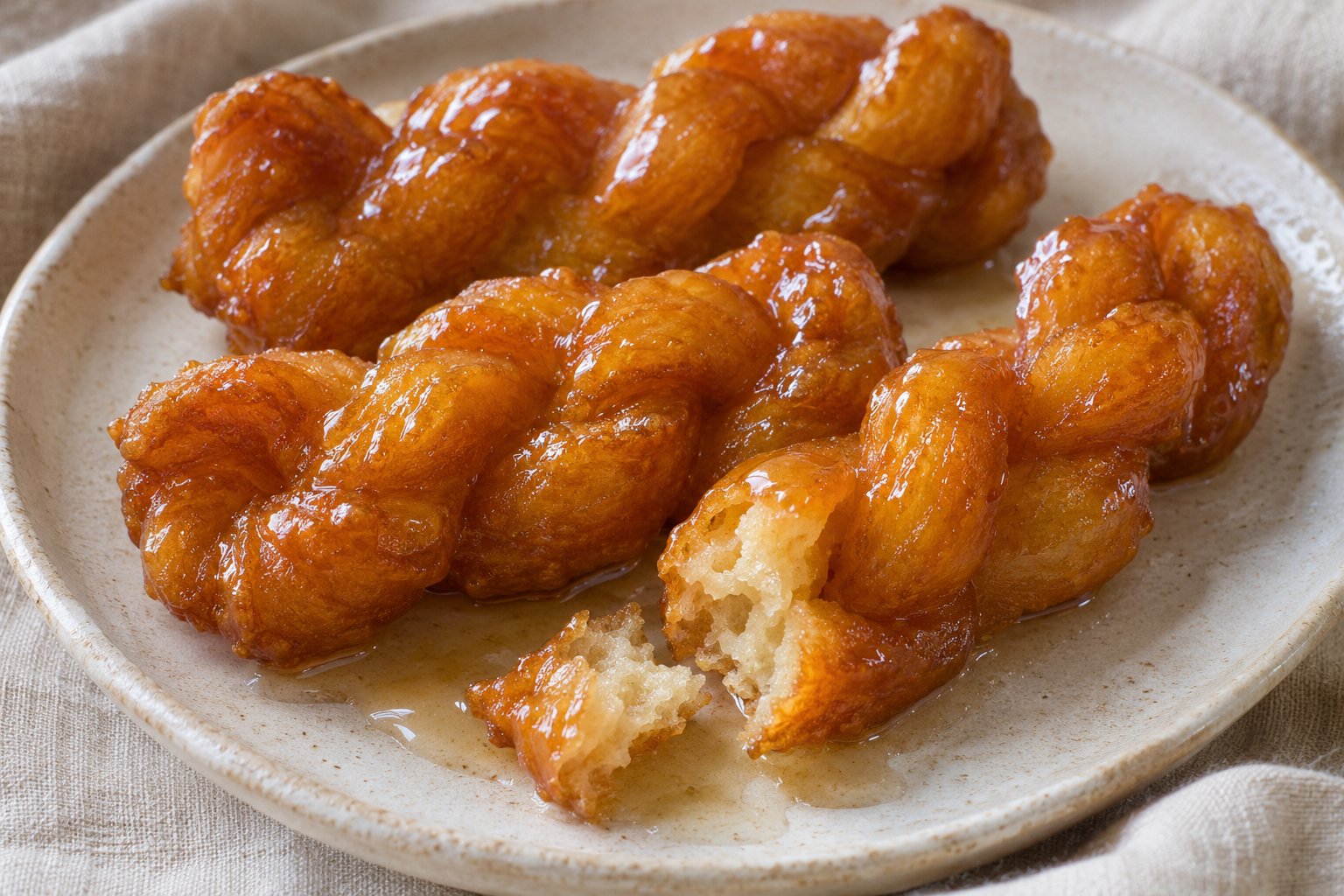
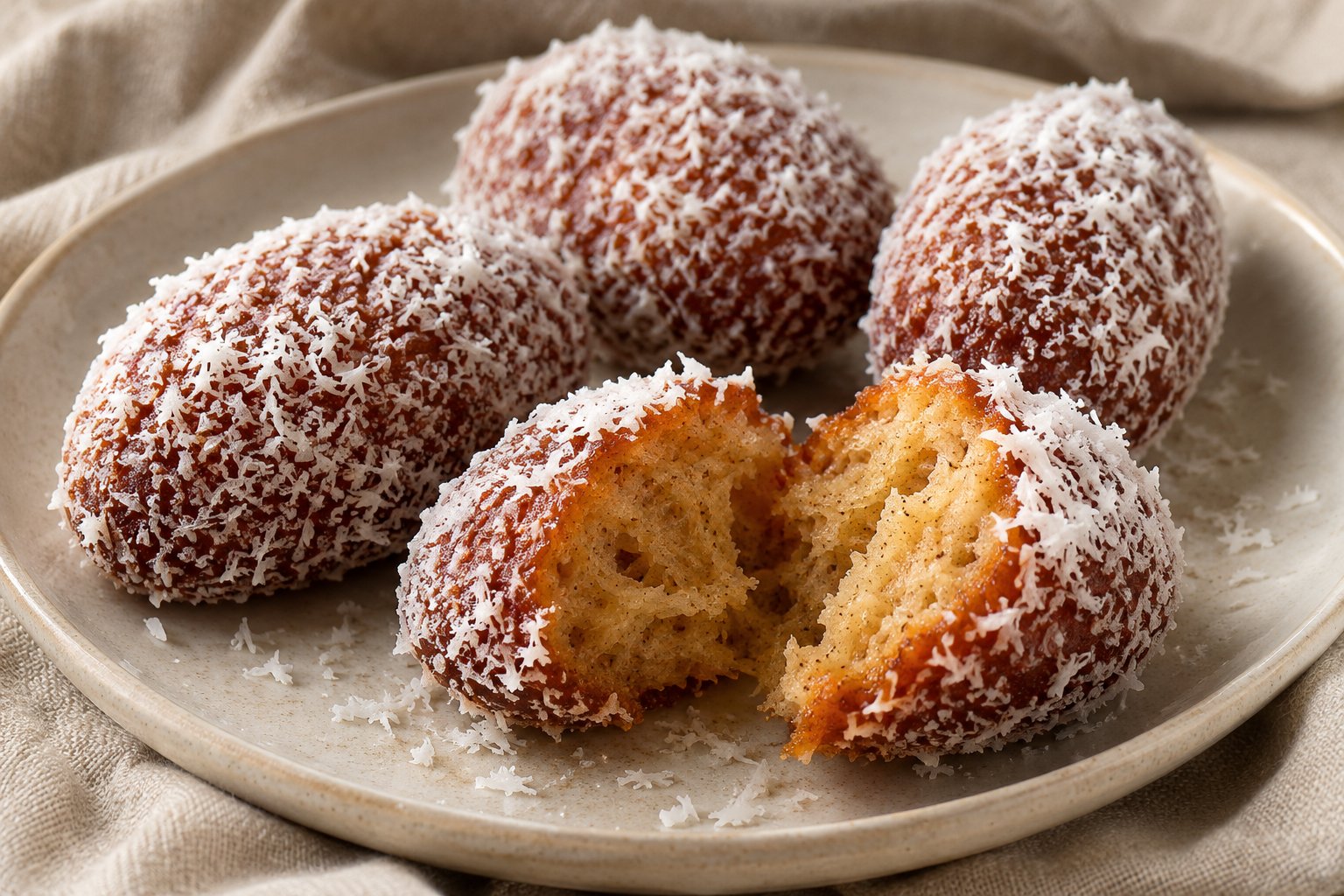
Left: koeksisters, plaited and glossy with syrup. Right: koesisters, soft, spiced and coated in coconut.
The syrup tells part of the story, too. A koeksister is fried until golden and plunged into cold syrup, which keeps its bite crisp. A koesister, also written koe’sister, goes into warm syrup before receiving its finishing coat of coconut.
It’s a useful distinction, although spellings have not always been consistent. Even dictionaries have mixed the two up. At a 2017 event at the Afrikaans Language Museum, lexicographer Willem Botha explained that an older dictionary entry had combined the two recipes. If you’ve been confused, you’re in distinguished company. LitNet’s report from the museum event
The koeksister: a plait with a place in South African life
The syrup-soaked koeksister is closely associated with Afrikaner baking traditions. Its family tree is usually discussed alongside Dutch fried-dough traditions, although tracing the modern sweet back to a single recipe is less straightforward than its tidy plait suggests.
What is much easier to recognise is its place in everyday life. Koeksisters belong to the world of home bakers, community fundraising and the tuisnywerheid: a home-industry shop where local cooks sell their handiwork. Baking them has helped raise money for schools and churches as well as providing a treat for the table. Afrikaans.com on koeksister traditions
There’s considerable skill behind that seemingly simple combination of dough and syrup. The plait must hold, the frying must be right, and the syrup must be cold. Done well, the result is an irresistible contrast of texture and sweetness.
Our advice? Have a napkin ready before the first bite. You’ll understand why very quickly.
The koesister: spice, coconut and Sunday mornings
The koesister holds a particularly cherished place in Cape Malay food culture.
Break one open and the sweetness shares the stage with spice. Recipes vary, but cinnamon, aniseed, ginger and cardamom are familiar companions. Some cooks add naartjie peel; others use potato in the dough. The late Cape Malay cook and author Fatima Sydow’s recipe includes both, alongside a warmly spiced dough and a coconut finish. Fatima Sydow’s koesister recipe
Those differences matter. “Traditional” does not mean that every family makes exactly the same thing.
For many households, koesisters also belong to a particular moment in the week: Sunday breakfast. Cape Malay cook Salwaa Smith describes that tradition while making the excellent point that they can be enjoyed at any time. There is no need for visitors to wait until Sunday to become interested. Salwaa Smith on Cape Malay koesisters
The appeal is easy to imagine: a warm drink, something fragrant and sweet, and a reason to linger at the table.
A sweet bite with a complicated history
“Cape Malay” can sound like a simple geographical label. The history behind it is much broader.
The community’s heritage includes people enslaved or exiled to the Cape from different parts of Asia and Africa during colonial rule. Its roots cannot be reduced to modern-day Malaysia. South African History Online describes this diversity and the role of the Dutch East India Company in the forced movement of people to the Cape. The Cape Malay, South African History Online
That history deserves care. The development of Cape food took place in a society shaped by slavery, unequal power and displacement, as well as the creativity and knowledge of the people who cooked.
Food writer Ishay Govender places the koesister within that wider Cape Muslim culinary heritage. Her account also explains why neat labels can conceal more complicated connections between communities and their food. The complex history of Cape Muslim cuisine
So while “Afrikaner koeksister” and “Cape Malay koesister” are helpful descriptions of the traditions associated with each today, they are not a complete family tree. A pastry rarely arrives with a birth certificate.
But why the almost-identical names?
Here is where the story gets wonderfully sticky.
You may encounter a charming explanation involving “cake sisters”, or hear a story that makes the name sound perfectly obvious. The linguistic evidence is less certain.
The Dictionary of South African English describes the word’s origins as obscure. It suggests possible connections with Dutch koek, meaning cake, or Malay kuih, referring to cakes or sweetmeats. It also raises a possible link between the second part of the word and Dutch sissen, meaning to sizzle. These are possibilities, not a settled answer. Dictionary of South African English
The dictionary records several historical spellings, too. Which helps explain why a modern traveller can find the naming almost as tangled as the dough.
Perhaps the most satisfying answer is to keep asking, keep listening and try both.
How to enjoy them on your Cape Town visit
Start with curiosity rather than a competition. Notice the plait and the syrup of a koeksister, then the softer texture, coconut and spice of a koesister. Ask the person serving you how theirs is made. A family variation may be the most interesting thing you learn that day.
And if you have a food allergy or dietary requirement, check the actual ingredients with the maker. Recipes differ.
Neither sweet needs to “win”. There is room in a good holiday for more than one excellent pastry.
Where to try koesisters and koeksisters in Cape Town
Cape Malay koesisters: Bo-Kaap Deli
For the soft, spiced and coconut-coated version, we recommend Bo-Kaap Deli at 114 Church Street in Bo-Kaap. Order a koesister with a coffee and take time to enjoy the neighbourhood around you.
Afrikaner-style koeksisters: Karibu at the V&A Waterfront
For the traditional plaited, syrup-soaked version, try Karibu at Shop 156, Victoria Wharf, V&A Waterfront. Its dessert menu features syrupy koeksisters served with ice cream, making it a convenient sit-down stop while exploring the harbour and shops.
Availability changes, so check before making a special trip.
Further reading: The Infatuation on Bo-Kaap Deli · Cape Town Tourism on the city’s fast-food scene · Karibu’s dessert menu
Come hungry for the stories, too
This is what we love about exploring Cape Town through food: a small bite can open up a much bigger conversation. On our Flavours to Freedom tour, for example, guests discover chapters of Cape Town’s history through the food and the people who make it.
Join Cape Town Culinary Tours to discover the flavours, people and culinary histories that help tell the story of the city and South Africa. Come curious, bring your appetite, and experience Cape Town’s history one bite at a time.
Black Friday
15% off any tour
Use code FRIDAY2026 at checkout. Book by 30 November for any future tour date.